Goodnote: A Handwritten Font for Polished Branding
It was a Tuesday afternoon, and I was staring at a stack of plain white boxes that were supposed to hold our new line of artisanal soaps. The product inside was luxurious—hand-poured, scented with real lavender and shea butter—but the packaging looked like it had been pulled from a generic supply closet. It lacked soul. It lacked personality. As a creative consultant who has helped dozens of small businesses refine their visual identity, I knew that the disconnect between the quality of the product and the presentation was costing us customer trust before they even opened the box. I needed a typeface that felt human, approachable, and slightly imperfect, yet still legible and professional. That is when I discovered Goodnote.
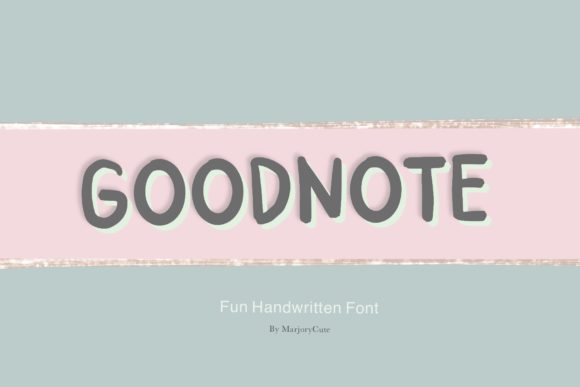
Goodnote is not just another script font; it is a simple and slightly quirky handwritten typeface that manages to strike a rare balance between neatness and friendliness. In the world of Script Amp and digital Fonts, finding a tool that feels authentic without sacrificing readability is often a challenge. Many handwritten fonts lean too far into chaos, becoming illegible scribbles, or they are so rigid they lose their charm. Goodnote sits comfortably in the middle, offering a visual character that complements children or school designs, but also elevates boutique branding, café menus, and handmade product labels.
Why Personality Matters in Small Business Design
When you run a small business, your brand identity is often an extension of yourself. Customers are not just buying a candle or a cookie; they are buying into a story, a vibe, and a relationship. Typography plays a massive role in how that story is perceived. A cold, corporate sans serif might signal efficiency, but it rarely signals warmth. A overly ornate serif can signal luxury, but it might feel distant.
Goodnote brings a sense of approachability. Its strokes are clean, but the slight quirks in the letterforms give it a hand-drawn feel that suggests care and attention to detail. When I applied Goodnote to our soap labels, the change was immediate. The font did not scream for attention; instead, it invited the customer in. It made the brand feel more polished and consistent, transforming a generic label into something that looked like it had been crafted with intention. This is the power of a well-chosen premium font. It acts as a silent ambassador for your brand, communicating trustworthiness and creativity before a single word is read.
Practical Applications for Real-World Branding
One of the strengths of Goodnote is its versatility. While it is categorized as a handwritten font, it is structured enough to be used in various commercial contexts. Here is how I have seen it work effectively in real business scenarios:
- Packaging Design: For product labels, especially on small surfaces like candle jars or cosmetic tubes, readability is key. Goodnote remains clear even at smaller sizes, making it ideal for ingredient lists or short product titles. It adds a decorative accent without overwhelming the design.
- Social Media Graphics: In the fast-paced world of Instagram and TikTok, visuals need to stop the scroll. Using Goodnote for quotes, promotional announcements, or behind-the-scenes captions adds a personal touch that resonates with audiences looking for authenticity. It works beautifully in social media graphics where a human connection is vital.
- Thank-You Cards and Inserts: Including a handwritten note in every order is a great way to build loyalty. If you do not have time to write each one by hand, printing them in Goodnote creates the same effect. It feels personal, warm, and genuine, enhancing the unboxing experience.
- Café and Restaurant Menus: For a cozy café or a bakery, Goodnote can be used for section headers or special item highlights. It pairs well with a clean sans serif font for the main body text, creating a hierarchy that is easy to read while maintaining a friendly atmosphere.
Readability and Pairing Strategies
A common concern with creative font choices is readability. Will my customers be able to read this on their mobile screens? Will it look clear on a printed flyer? Goodnote performs surprisingly well in these areas because of its neat structure. However, like any display font, it should be used strategically. It is best suited for headlines, short phrases, logos, and decorative accents rather than long paragraphs of body text.
To maximize its impact, consider your font pairing. Goodnote shines when contrasted with a minimalist typeface. Try pairing it with a modern, geometric sans serif font for a contemporary look, or a classic serif font for a more traditional, editorial feel. This contrast helps guide the eye and ensures that the quirky nature of Goodnote does not become visually exhausting. For web design and digital ads, keep the Goodnote text large enough to be legible on smaller devices, and avoid placing it over busy backgrounds that might obscure its delicate strokes.
Making the Right Choice for Your Brand
Before integrating any new design assets into your workflow, it is essential to check the technical details. Ensure that the file formats included suit your needs, whether you are working in Adobe Illustrator for logo design or Canva for social media posts. Check for multilingual support if you serve a diverse customer base, and always review the commercial font licensing terms. Using a font correctly on products, packaging, merchandise, and client work protects your business and respects the creator’s effort.
Goodnote is more than just a collection of letters; it is a tool for building a memorable brand identity. Whether you are a baker updating your packaging, a boutique owner creating hang tags, or a coach designing your website banners, this font offers a blend of professionalism and playfulness that is hard to find. It helps your business look consistent, trustworthy, and customer-friendly. In a market saturated with generic templates, choosing a typeface with character like Goodnote can be the subtle difference that makes your brand stick in the minds of your customers. It is a small change that yields a significant return in perceived value and emotional connection.